Home battery backup installation requires more than choosing equipment and finding wall space. You also need the right permits, a code-compliant design, and a safe connection to your home’s electrical system. Most jurisdictions review battery projects for structural, electrical, and fire safety before allowing operation. That process protects your home, utility workers, and emergency responders. It also helps ensure the battery integrates properly with solar, the main service panel, and any backup loads panel or transfer equipment. If you skip approvals or installation standards, you can face failed inspections, denied utility permission, insurance issues, or unsafe operating conditions. Understanding permit requirements and safety basics first makes the installation process smoother and helps you power your home with greater confidence.
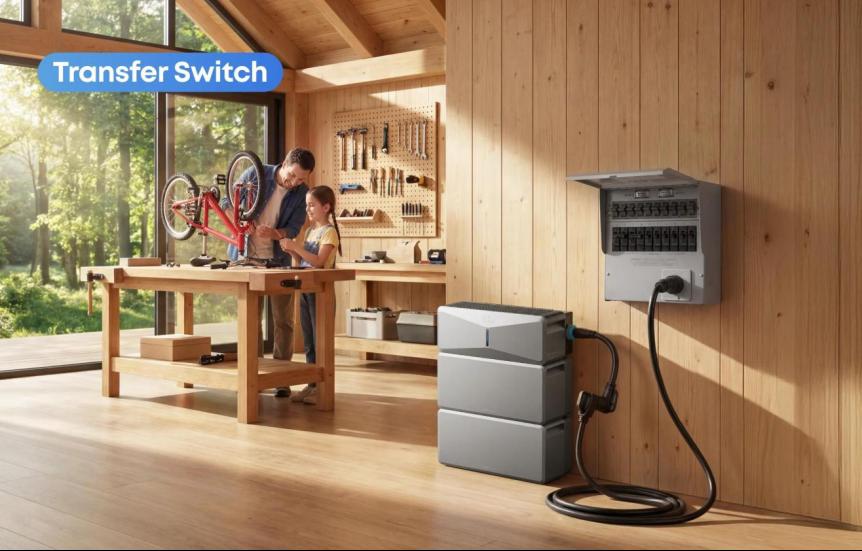
Most battery backup for home projects require at least an electrical permit, and many also need building and fire department review. The electrical permit covers wiring methods, overcurrent protection, disconnects, grounding, interconnection, and equipment ratings. A building permit may apply when installers mount heavy equipment to a wall, create a pad, or modify structural elements. Fire permit requirements often focus on battery chemistry, spacing, ventilation, access pathways, labeling, and placement near doors, windows, garages, or habitable rooms. Local rules usually follow adopted versions of the National Electrical Code, residential code, fire code, and manufacturer instructions. If the system connects to solar or the utility grid, the utility may also require an interconnection application and approval before the battery can operate in normal grid-connected mode.
Start by contacting your city or county building department and asking which permits apply to a residential energy storage system. Many offices publish submittal checklists online. Typical documents include a site plan, one-line electrical diagram, equipment specification sheets, mounting details, load calculations, and product certifications. If the battery connects to solar, include the interconnection paperwork and any revised plans for backup loads or transfer equipment. To avoid delays, make sure the application names the exact equipment models, installation location, circuit ratings, and shutdown method. Confirm setback and access rules before ordering hardware. Use a licensed contractor when required, and respond quickly to plan review comments. Clean, complete paperwork often shortens approval time and reduces the chance of failed inspections.
Choose a location that meets both manufacturer instructions and local code requirements. Installers usually look for a dry, protected area with stable mounting surfaces, clear working space, and safe distances from exits, windows, ignition sources, and sleeping areas when required by code. Avoid cramped closets, flood-prone spaces, and areas with direct heat exposure unless the equipment is specifically rated for those conditions. Verify ventilation, conduit routing, disconnect placement, and accessibility for service. Electrical codes also govern conductor sizing, grounding, overcurrent protection, rapid shutdown interactions, and transfer equipment. Before installation begins, confirm whether the system will back up the whole home or only selected circuits, because that choice affects panel configuration, load calculations, and inspection requirements.
A qualified installer should understand residential service equipment, energy storage systems, transfer switching, and local inspection procedures. Proper installation includes torqueing connections to specification, labeling all disconnects, commissioning the system correctly, and testing backup operation under controlled conditions. The installer should also verify firmware setup, utility settings, and battery charging behavior before the final inspection. Ask whether the contractor is licensed for electrical work in your area and familiar with current code adoption. Safety standards matter because batteries combine high voltage, stored energy, and critical household loads. Using listed equipment and following recognized standards reduces fire risk, nuisance shutdowns, and equipment damage. It also helps ensure your utility, inspector, and insurance provider accept the completed home battery backup installation.
Choose a battery system that is listed for residential energy storage use and compatible with your electrical service, inverter configuration, and backup goals. Key certifications include UL 9540 for the complete energy storage system and UL 9540A testing data for fire safety evaluation. Confirm that the battery and inverter support your home’s voltage, phase, and transfer requirements, especially if you need split-phase 120/240V output for major appliances. Compatibility also includes solar input limits, generator support, communications, monitoring, and the number of batteries allowed per power module. Review enclosure ratings and operating temperature range if the system will be installed outdoors or in an unconditioned space. A code-compliant setup should match the approved plans exactly, including mounting method, conductors, breakers, and shutdown controls.
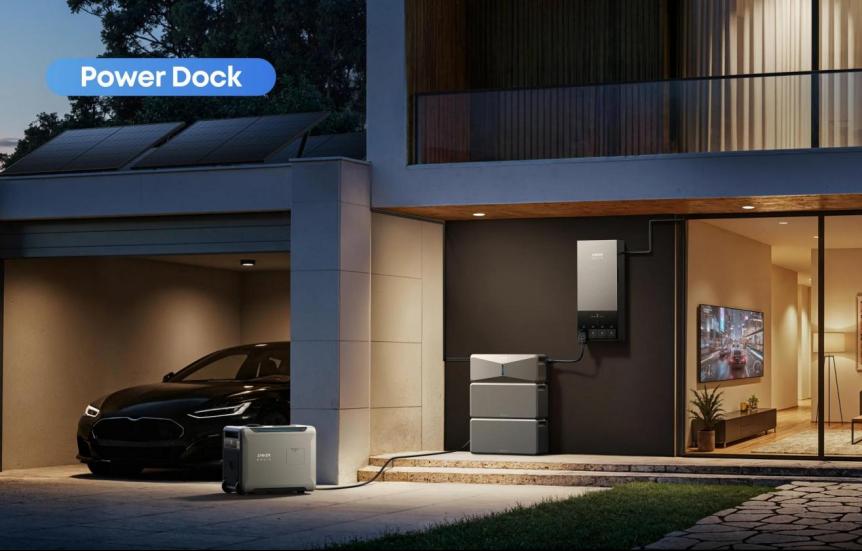
For homeowners planning a code-compliant whole-home system, Anker SOLIX E10 Whole-Home Backup offers specifications that align well with serious backup needs. It provides 120/240 VAC split-phase output, 7,680W continuous output at 32A, and up to 10,000W at 41.6A for 90 minutes with battery support. The system supports 10-30kW turbo output, 6-90kWh battery expandability, 9-27kW solar input, and a 4.5kW smart generator input. Each LFP battery stores 6,144Wh, with up to 30kWh total capacity on one power module, and carries UL 9540 and UL 9540A certification. Additional practical features include NEMA Type 4 (IP66) enclosure protection, floor or wall mounting, Wi-Fi and Bluetooth connectivity, 5-ton central A/C start capability, and seamless switchover in 20ms or less.
A safe, legal home battery backup installation starts with permits, careful design, and the right equipment. In most areas, you should expect electrical review, and often building, fire, and utility approval as well. Those steps are not paperwork for its own sake; they confirm that the system is mounted properly, wired correctly, labeled clearly, and ready for reliable backup operation. Safety also depends on choosing a suitable location, following electrical code, and hiring a qualified installer who can handle commissioning and inspection. When you evaluate systems, prioritize certifications, compatibility, and realistic backup capacity for your home. With the right planning, a home battery can provide dependable resilience, smoother inspections, and confidence that your backup power system will perform safely when the grid goes down.