Choosing between portable solar and gas generators can shape your power backup strategy. These devices offer essential energy solutions but come with distinct advantages. Whether you’re prepping for emergencies or powering outdoor adventures, understanding their strengths and drawbacks informs wise decisions. In this guide, we’ll delve into the power capabilities, costs, environmental impact, and practical uses of each type. Armed with this knowledge, you can ensure your energy needs are met efficiently and responsibly. Let’s examine how solar and gas generators stack up, allowing you to select the best fit for your lifestyle and requirements.
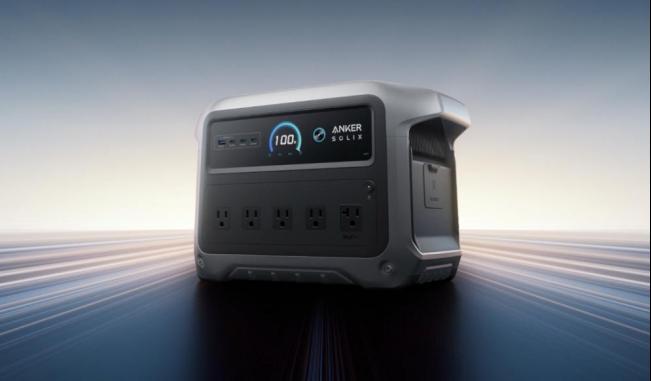
Generators differ significantly in power delivery. Solar generators, like the Anker SOLIX C1000 Gen 2, provide clean, renewable power, making them suitable for sustainable off-grid living. On the other hand, gas generators deliver robust, consistent energy, ideal for intensive use. Each has unique performance metrics catering to different user needs.
Solar generators harness energy from the sun, converting it into electricity through photovoltaic panels. The Anker SOLIX C1000 Gen 2, for instance, can output 2,000W, peaking at 3,000W with a 1,024Wh capacity. Users can plug in up to ten devices, making this generator versatile for various energy demands. The SOLIX C1000 can fully recharge via solar in just 1.8 hours with a 600W setup. This rapid, eco-friendly recharging is optimal for those with minimal immediate power demand and a keen eye on sustainability. Nevertheless, reliance on sunlight can limit performance in cloudy conditions or at night, underscoring the sporadic nature of solar power.
Gas generators operate with consistent power generation, suitable for high-energy appliances and extended use. These machines, often more potent than their solar counterparts, run on combustible fuel, such as gasoline or propane. Their ability to provide adjustable power output satisfies users with fluctuating power needs. They excel in delivering uninterrupted power, which is crucial for construction sites or heavily equipped households. However, this power reliability depends heavily on fuel availability, making logistics planning essential. This factor can inform your decision if you require predictable, on-demand power year-round without relying on weather patterns.
The lifetime costs of generators include the initial purchase, fuel expense, and maintenance. Solar generators often incur higher upfront costs, while gas generators may demand more in ongoing fuel expenditure and maintenance, potentially impacting overall long-term budget.
Solar generators like the Anker SOLIX C1000 are investments in sustainable power independence. Initial costs can be hefty, reflecting advanced technology and integrated components like solar panels and energy storage. However, once set up, they incur minimal operating costs. Utilizing sunlight as a free, renewable energy source diminishes future costs dramatically. Maintenance remains simple—mostly panel cleaning. These savings make solar generators attractive for long-term, environmentally-conscious users. In circumstances where electricity prices soar, solar solutions offer economic respite. Yet, remember that initial expenditure might deter those seeking immediate, budget-friendly solutions.
Gas generators present a different financial model. Their lower purchase price may appeal to budget-conscious users. However, fuel costs and frequent maintenance, such as oil changes and engine tune-ups, accumulate. Fuel scarcity, price volatility, and transportation costs add stress, especially in crisis scenarios. Prolonged use leads to more frequent maintenance cycles, further escalating expenses. Therefore, while they promise lower entry costs, the total cost of ownership can rise unexpectedly over time. This financial landscape suggests thorough budgeting for fuel and upkeep when choosing a gas generator, a pivotal consideration for long-term fiscal planning.
Environmental concerns and operational noise are key differentiators between generator types. Solar generators offer silent, emission-free power. Instead, gas generators produce harmful emissions and higher noise levels, affecting user comfort and sustainability goals.
Solar generators, like the Anker SOLIX C1000, shine in their environmental friendliness. Harnessing renewable solar energy, they emit zero greenhouse gases during operation. This positions them as attractive for eco-conscious users, reducing carbon footprints. Silence is another virtue; solar generators operate quietly, enhancing user experience during outdoor activities or in noise-sensitive environments. This tranquility suits camping trips, residential use, and serene work settings. These benefits make solar generators appealing for those prioritizing noise-free, less intrusive power solutions, promoting peaceful coexistence with nature and communities alike.

Gas generators, by contrast, emit exhaust gases, notably CO2, which impact the environment and air quality. These emissions raise concerns, especially in urban or indoor settings. Noise is another factor: gas generators typically operate at higher decibels, causing disturbance. This can limit their use in residential areas or during quiet hours. While they efficiently deliver power, their environmental cost and noise require consideration. Users must weigh this against their energy demands, perhaps adopting mitigation strategies like mufflers or sound barriers. Ultimately, these factors influence the suitability of gas generators for eco-friendly, noise-sensitive applications.
Portable generators offer varied use cases, determined largely by their power source. The portable solar power generator excels in sustainability and quiet operation. Conversely, gas generators cater to demands for robust power and consistent performance, each fitting different scenarios.
Portable solar generators excel in off-grid adventures and eco-friendly applications. Camping enthusiasts and outdoor event planners appreciate silent operation without fuel logistics. Devices like the Anker SOLIX C1000 prove invaluable for eco-conscious users needing multi-device charging, running lights, mini-fridges, or communication gear. In remote work scenarios, solar generators enable sustainable tech power while minimizing interruptions. Homes reliant on solar generators during outages benefit from rapid recharge capabilities without heavy fueling. In essence, these devices suit users seeking sustainable, low-noise solutions matched with minor power needs, underscoring the appeal of renewable energy.
Gas generators suit scenarios demanding high, consistent power output. Construction sites, emergency backups, and power tool operations rely on their robust engine capabilities. These machines excel in circumstances requiring heavy-duty, continuous appliance support—think refrigerators, HVAC systems, and industrial machinery. Their energy, readily available through fuel storage, makes them ideal for preparedness strategies in prolonged outages. Despite noise and emissions, their adaptability is unmatched where electricity availability is paramount. Consequently, they remain a staple in settings where maximizing performance and reliability supersedes environmental or auditory concerns.
Assessing portable solar and gas generators unveils distinct merits and limitations. Solar generators offer sustainable, quiet power ideal for eco-friendly, low-power needs. Meanwhile, gas generators deliver robust, reliable energy, navigating noisy environments with higher emissions. Your choice hinges on energy requirements, environmental priorities, and site conditions. Understanding these dynamics guides informed decisions, ensuring you select the optimal generator for your lifestyle and power demands. Evaluate your context, whether it’s tranquility amidst nature or powering through demanding power outages. The right generator harmonizes your energy foresight, sustainability values, and practical utility seamlessly.